Features & Amenities
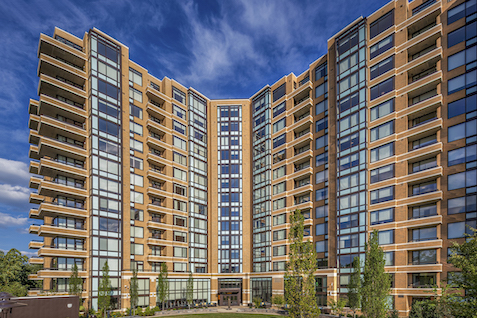
These gorgeous apartments for rent feature designer kitchens and exposed brick walls for extra style. Plus, you can enjoy a two-level fitness center, a billiards room, a spacious community lounge, and so much more.
Questions?
(888)575-1570

840 Oella Avenue, Ellicott City, MD 21043
Add to FavoritesSituated in a beautiful building, originally built in 1918 that was once the largest textile mill in the country, The Residences at Oella Mill has unique apartments for rent in Ellicott City, MD. This historic structure has been carefully preserved and restored with all the latest features, amenities, materials, and finishes that define a modern luxury apartment community. Choose from 12 different floor plans in studio, one-, and two-bedroom apartments, loft and townhome layouts. Each unit features modern, open layouts, polished concrete floors, and designer fixtures. Designed for optimum comfort and convenience, The Residences at Oella Mill features in-unit washer and dryers, stainless steel appliances and ample natural lighting. Enjoy a two-level fitness center, billiards room, spacious community lounge, business center, parking garage, package acceptance service, 24-hour emergency maintenance, and on-site management.
Whether you’re a weekday commuter, a weekend lounger, a window shopper or a trail trekker, these luxury apartments in Ellicott City, MD are where you want to be. Get up Saturday morning and take your puppy out for a run along the Patapsco River or hike the paths in Patapsco Valley State Park. Afterward, stop by Café di Roma for a cappuccino and pick up some baked goods at The Breadery Bakery. In the evening, hit some pins at the Bowlero Normandy or meet up with friends for some local libations at Ellicott Distilling Company. These apartment homes in Ellicott City are close to major university systems, the schools of the Howard County Public School System, as well as employers such as Johns Hopkins Medicine, Northrup Grumman, and CISCO.
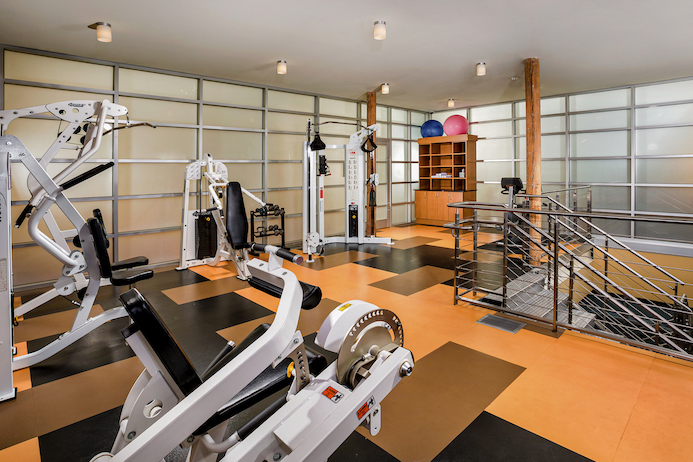
These gorgeous apartments for rent feature designer kitchens and exposed brick walls for extra style. Plus, you can enjoy a two-level fitness center, a billiards room, a spacious community lounge, and so much more.
Generously sized with modern, open layouts, the studio, one-, and two-bedroom floor plans are fantastic living spaces. Plus, with options for a den, extra bathroom, or even a townhome layout, The Residences at Oella Mill are truly one of a kind.


![[View Favorites]](https://www.southernmanagement.com/wp-content/themes/smc-corp/css/images/svg/icon-heart-only-filled.svg)